


Elephants are deeply respected in Thai culture—they appear in history, religion, and royal symbolism. Yet for decades, tourism meant riding, circus tricks, and chains. Many Thais and expats now refuse those experiences, and a growing number of sanctuaries focus on observation, care, and rehabilitation. We want you to see elephants up close without funding harm.
Why we say no to riding
Elephants are not built to carry heavy chairs and two adults for hours. Training for riding historically involves breaking the animal’s spirit (phajaan) and ongoing control with hooks. Even “bareback” rides still stress joints and require controlled animals.
- Riding, painting, dancing, or street begging with elephants are red flags.
- Chains all day, visible wounds, or repetitive swaying (stereotypic behavior) suggest poor welfare.
- “Sanctuary” is an unregulated word—read what they actually do, not only the name.
What ethical places look like
- Observe at distance when elephants are eating, bathing in the river, or socializing—no forced selfies pressed against stressed animals.
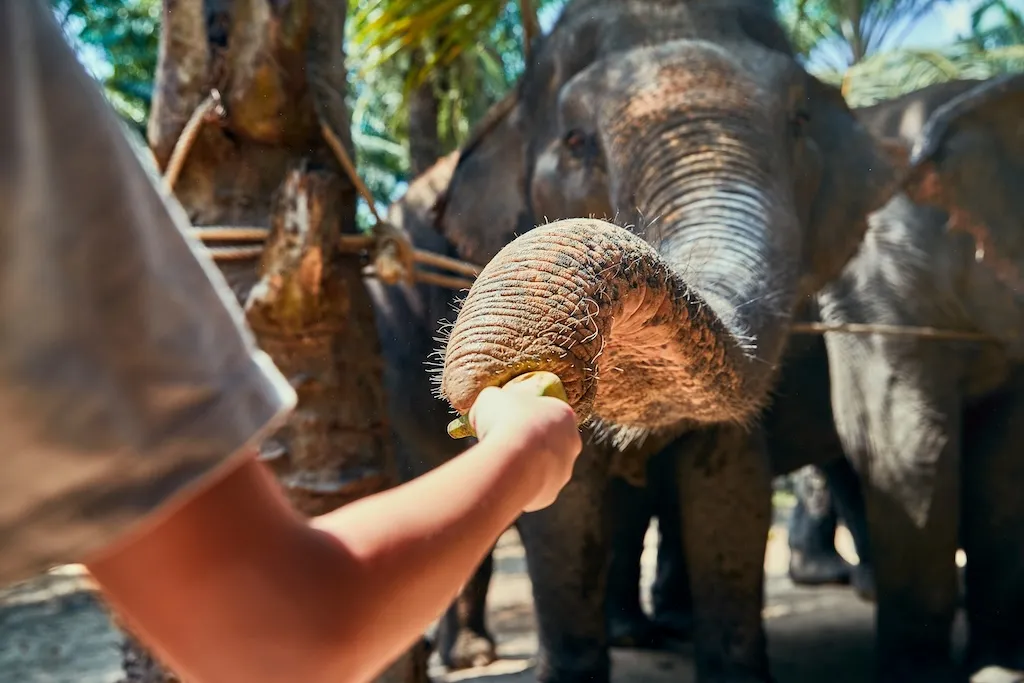
- Feeding may be offered with guidance; mahouts control safety—follow their rules.
- No performances beyond natural behavior; education about conservation and illegal logging history.
- Transparent funding: Fees go to food, veterinary care, and land—ask if they rescue or breed (breeding for tourism is debated).
- Half-day or full-day visits with limited group sizes beat rushed bus tours that shuttle hundreds of people.
Well-known ethical-oriented operators in the north include camps around Chiang Mai and Chiang Rai that moved away from riding—research current reviews; practices can change after ownership changes.
Where visitors go
- Chiang Mai & Mae Taeng: Most sanctuaries and rescue stories; book transport from the city.
- Kanchanaburi & Erawan area: River bathing experiences—verify no riding on the same property.
- Phuket & South: Fewer wild elephants; many offers are smaller camps—scrutinize carefully.
Seeing elephants in the wild is rare; Kui Buri National Park and some protected forests offer guided wildlife watching with proper permits—not guaranteed sightings.
Before you book
- Search recent reviews mentioning welfare, chain use, and riding.
- Ask: “Do you offer elephant riding or shows?”—if yes, choose elsewhere.
- Wear closed shoes, bring sun protection and insect repellent; follow mahout instructions—elephants are gentle until frightened.
- Do not buy ivory or elephant hair products—illegal and unethical.
Meeting elephants can be a highlight of your trip. Choose places that let them be elephants—not entertainers.
Sources & references
Content reviewed against the sources below on 24 May 2026. Rules, fees, and phone numbers can change—confirm critical details with official agencies before you travel.